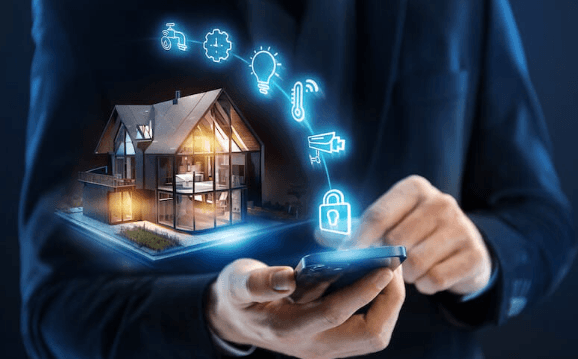
The evolution of smart devices reflects a shift from isolated tools to an interconnected fabric. As costs fell and connectivity expanded, devices moved from standalone functions to ecosystem-level interoperability. On-device processing and edge computing reduced cloud reliance, while security and privacy architectures matured to manage complex data flows. Today’s environments balance autonomy with control, aiming for energy efficiency and comfort across diverse deployments. The next step remains uncertain, inviting scrutiny of how autonomy and safeguards will coexist.
What Sparked the Smart Device Revolution
The spark that ignited the smart device revolution can be traced to a convergence of declining component costs, expanding wireless connectivity, and an evolving demand for automated, context-aware services.
Analysts note a cautious surge in data privacy concerns and the rise of voice assistants as interfaces, enabling hands-free interaction.
This combination reframed user expectations, shaping rapid, modular adoption across domains.
From Gadgets to Ecosystems: How Connectivity Evolved
From gadgets to ecosystems, connectivity has progressed from isolated devices to an integrated fabric that enables cross-device interoperability and context-aware services. The shift fosters seamless user experiences while exposing privacy concerns as data flows multiply. Designers prioritize energy efficiency, optimizing protocols, sleep modes, and adaptive transmission. This evolution reframes control, prompting standards that sustain simplicity, reliability, and user autonomy within interconnected environments.
Core Technologies Shaping Smart Devices Today
Core technologies underpinning today’s smart devices converge around wireless connectivity, on-device intelligence, and secure, scalable software architectures. This triad enables adaptive ecosystems with minimal cloud dependency, while edge intelligence processes data locally to reduce latency and preserve privacy.
Complementary energy harvesting and robust security models ensure resilience, enabling autonomous operation across heterogeneous hardware, software stacks, and user-centric, freedom-valuing deployments.
The Road Ahead: What Smart Environments Will Look Like
Envisioning the road ahead, smart environments will evolve from interconnected devices into cohesive, context-aware systems that anticipate needs with minimal user intervention.
In such futures, smart habitats optimize energy, security, and comfort through ambient intelligence, enabling autonomous adaptation without intrusion.
The challenge lies in balancing control and autonomy, ensuring privacy, reliability, and transparent decision processes that empower users while preserving freedom and autonomy.
See also: technarex
Frequently Asked Questions
How Do Smart Devices Impact Privacy in Daily Life?
Smart devices affect daily life by balancing convenience with privacy trade offs; data minimization becomes essential as systems collect more personal signals, prompting vigilance, transparency, and empowered choice for individuals seeking freedom within increasingly connected environments.
What Are the Best Beginner-Friendly Smart Home Setups?
“Like a calm dawn,” the guide lists best beginner-friendly smart home setups: a simple hub, essential sensors, routines, and voice control. It analyzes home automation, beginner setup ideas, privacy concerns with concise, freedom-friendly, analytical clarity.
Are Smart Devices Secure Against Hackers and Breaches?
Smart devices are not inherently secure; privacy risks persist due to data collection and potential vulnerabilities. They require robust defaults, regular updates, and transparent practices to balance convenience with control, enabling users to navigate privacy risks while seeking freedom.
How Do AI Assistants Learn and Improve Over Time?
Suspense grips readers as the answer emerges: AI assistants learn via data patterns and feedback loops, refining models through AI training, supervised and reinforcement methods, while privacy tradeoffs loom, demanding rigorous safeguards. Analysis: improvements arrive with measured, freedom-respecting caution.
What Happens to Old Devices When Upgrades Arrive?
Old devices often face obsolescence as upgrade cycles accelerate, though some remain usable via security updates or repurposing. Legacy devices may be rescued or recycled, but many are retired, reflecting market-driven design and environmental considerations.
Conclusion
The smart device era, once sparked by cheaper components, now surges toward integrated, anticipatory ecosystems. Like distant constellations guiding mariners, interconnected devices chart a steadier course for energy, security, and comfort, even as they reveal the invisible currents of data. The path forward hinges on sustaining autonomy with user trust, balancing convenience against privacy, and refining edge intelligence. In this evolving tapestry, the quiet alignment of purpose and technology promises a more responsive, resilient everyday environment.