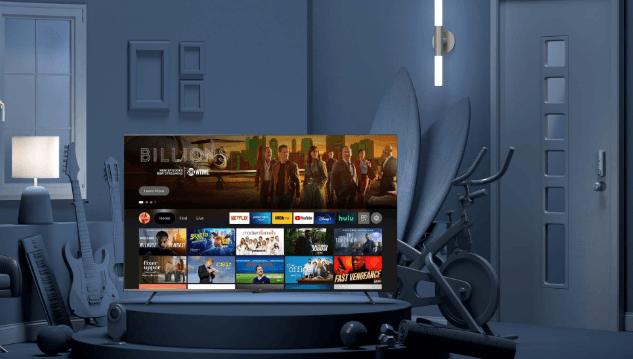
The evolution of smart TVs traces a shift from analog dials to connected hubs, emphasizing user autonomy and streamlined workflows. Interfaces moved from physical controls to voice-driven and adaptive navigation, while platforms shaped app ecosystems and cross-device continuity. Early milestones redefined search, recommendations, and privacy choices, guiding ongoing development. Looking ahead, AI-driven optimization and transparent governance promise more seamless, regionally aware experiences—yet questions remain about control, security, and the boundaries of personalized viewing.
How Smart TVs Evolved: From Dials to Digital Hubs
Smart TVs have transitioned from simple display devices to integrated digital hubs, driven by a shift from analog channels to interconnected ecosystems.
The evolution emphasizes user autonomy, streamlined workflows, and open ecosystems.
Dial interfaces gave way to streaming hubs, digital remotes, and voice controls, enabling flexible navigation, app integration, and personalized content access while maintaining concise, scalable functionality for diverse viewing preferences.
Key Milestones That Redefined TV Interactions
The period following the shift from dial-based interfaces toward digital hubs marked a series of defining moments in how TV interactions are experienced.
Key milestones redefined navigation, search, and personalization, shaping user expectations and agency.
Through history interfaces and streamlined content discovery, designers prioritized intuitive cues, faster access, and adaptive recommendations, enabling proactive exploration while preserving user autonomy and future-facing flexibility.
Choosing the Right Smart TV: Platforms, Apps, and Ecosystems
Choosing the right smart TV hinges on evaluating platforms, apps, and ecosystems as an integrated value proposition: how easily the device connects to preferred services, how broad and responsive the app catalog is, and how well cross-device experiences align with user routines.
Platforms balance platform ethics and regional availability, shaping freedom through adaptable interfaces, open standards, and globally relevant, privacy-conscious choices.
The Future of Smart TVs: AI, Connectivity, and Beyond
As display platforms mature, AI integration, enhanced connectivity, and evolving interfaces are redefining how televisions function within the digital ecosystem.
The future emphasizes autonomous optimization, contextual sensing, and seamless cross-device experiences, all while balancing control and freedom for users.
AI governance and privacy concerns frame risk assessment, urging transparent policies, robust safeguards, and principled data handling, including data ownership and consent.
See also: The Evolution of Smart Devices
Frequently Asked Questions
How Do Smart TVS Affect Energy Consumption Compared to Legacy Models?
Smart TVs generally consume more energy during active use but can operate more efficiently in modern sleep and standby modes, reducing energy usage over time. Standby power remains a concern, though improvements increasingly minimize idle consumption and waste.
Can Smart TVS Replace Your Home Theatre PC Setup Entirely?
Smart TV limitations show that a full PC replacement feasibility remains uncertain; while functions improve, dedicated PCs still surpass in customization and performance, making a complete home theater PC transition unlikely despite potential—audience freedom-minded, forward-looking, analytical.
Do All Smart TVS Receive the Same Software Updates Globally?
Global software fragmentation varies; not all smart TVs receive uniform updates. Regional firmware updates and privacy controls shape experiences, with manufacturers prioritizing markets differently, potentially limiting uniform feature availability and long-term user freedom.
What Privacy Options Exist Beyond Factory Reset on Smart TVS?
Privacy controls beyond factory reset include device-level settings to limit data collection, opt-out features, local processing options, and account permissions management; emphasis on data minimization and transparency guides users toward greater autonomy and privacy-conscious configuration.
Are There Hidden Costs After Purchase (Subscriptions, Services)?
Hidden costs can appear after purchase, though transparency varies; subscription fatigue tends to rise as services accumulate. Analysts emphasize budgeting for apps, services, and updates, forecasting ongoing payments rather than one-time fees, to preserve consumer freedom and resilience.
Conclusion
The evolution of smart TVs, once lauded for democratizing viewing, now quietly relies on ever-multiplying platforms and governance. Ironically, as interfaces shrink to holographic slivers of AI-driven assistance, users find themselves negotiating privacy, data sharing, and regional constraints more than their favorite shows. Yet this complexity portends progress: autonomous optimization, transparent governance, and interconnected ecosystems promise a streamlined, ethically aware future, where technology serves clarity rather than spectacle. In short, progress wears a privacy-friendly mask.